Showing posts with label Germany. Show all posts

Jul 3, 2026

Nargaroth - Apocalyptic Steel (2026) Review

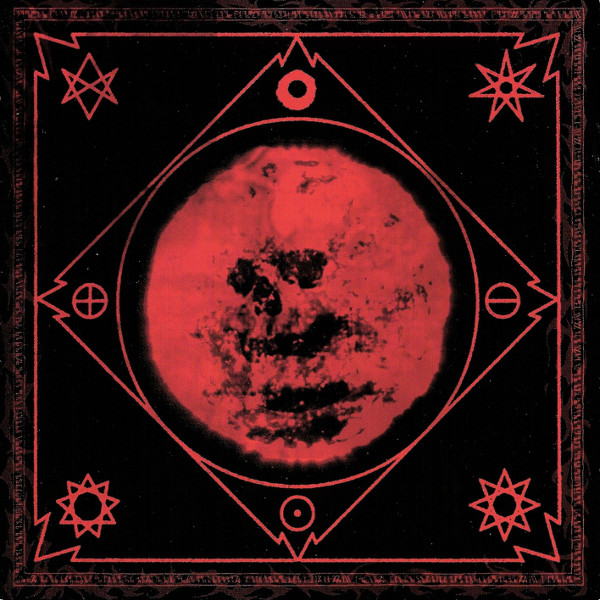
Nargaroth Apocalyptic Steel album cover 2026

Believe it or not, one of the defining moments in my relationship with black metal came the first time I heard Nargaroth's Jahreszeiten, and specifically the repetitive riffing on the last track, "Winter". This was my introduction to this band, before I knew of their earlier, more notorious records, as well as before many of the genre's foundational names. This kind of monotonous melodic austerity captured what I found to be essential in black metal, and shaped how I continue to appreciate it today. 

Through the 2000s, Nargaroth had a remarkably consistent catalog of releases, but the following decade felt emptier. Era of Threnody left me largely indifferent, and I sort of lost connection to Kanwulf's (now Ash's) musical activities. Nine years later, Apocalyptic Steel arrives curiously as it diverges from the band's established character, yet consists of material that is anything but new. According to the band, the album was initially recorded in the United States back in 2014, only to receive newly recorded drums and decade later and finally being presented in its complete form in 2026.

Rather than drawing mainly from black metal, Apocalyptic Steel embraces the traditions of classic heavy metal and old-school death metal, through Ash's own personality and his attachment to home and heritage, as well as his lifelong devotion to straightforward heaviness. Gone are the skeletal riff cycles like on "Winter", the melancholic interludes, and the monochrome visuals. In their place stands an unabashed tribute to traditional metal, expressed through two of its all time favorite words: apocalyptic, and steel.

Even the song titles quickly reveal a new perspective. "Metalheart" can't avoid inviting comparisons to Accept's landmark 1985 album, while "I Drink Alone" inevitably made me wonder how George Thorogood & The Destroyers had found their way into Ash's record collection. Whether intentional or not, the track is one of the album's most aggressive, alongside the title track and "Twisted Steel" on the record's first half. Despite the overt framework, I still detect a clear black metal instinct embedded in the guitar lines, yet the death metal influence is also evident, recalling the militant aggression of bands like Deicide and Angelcorpse.

The first moment of a broadened palette comes with "Dresden", whose restrained clean vocals stand out in the album, yet naming a track after a city is not new even within black metal (remember, e.g. Shining's Halmstad). Tha pace is eased considerably towards the closing stretch of Apocalyptic Steel, as "Shelter the Faithless" moves in modest, mid-paced tempo and "Man of Mayhem" frequently shifts between anger, clean chord progressions and slower passages — a title I seriously hope is a node to Sons of Anarchy, since Ash is also probably into the motorcycle culture.  The record ultimately amounts to a grand finishing with "Requiem Germania" (completely sung in German), clearly the most epic composition on here.

What makes Apocalyptic Steel an interesting case is not the stylistic departure from a stricter black metal border, but the feeling that Nargaroth has finally managed to express Ash's personal experiences and vision without any limitation in terms of approach. You can hear all his influences on the record, without missing a certain appeal to the elements that most fans have been used to hear from him over the decades. Yet, we may inevitably long for the stark, repetitive melodies that first drew us into the band. Nargaroth of today might not feel pressured to satisfy that particular craving, but it's all in all an honest and respectable return to action from one of black metal's most familiar names.

Release: June 26th, 2026 | Season of Mist Underground Activists
Rating: 3.5 out of 5
Website: Facebook 

May 25, 2026

Grabunhold - Frostheim (2026) Review

I remember anticipating Heldentod eagerly in 2021, due to the great impression I had of German outlet Grabunhold from their 2019 EP, Unter dem Banner der Toten. The debut album proved remarkable, and the band continued on a positive note with 2023's split release with Circle of Shadows, slowly drafting their own continuous landscape of Tolkien-inspired, triumphant and vigorous black metal. Half a decade after the first album, Frostheim is still characterized by mystique of the old world, winter imagery, and a higher than average aptitude for guitar-fronted melancholy in darkness buried deep, beyond all towers strong and high, beyond all mountains steep.

As with the very first demo and all that followed since, everything is in strict black and white fashion. Frostheim has a slightly cleaner sound than its predecessor, but the general approach has not deviated much from what Grabunhold has been doing so far. The record is radiant and filled with energetic riffing in its entirety, giving out a strong feeling of pagan black metal that reminds me of other German bands like Odal, or Ulfsdalir (but quite more polished). One may ultimately find the compositional source of inspiration in older legends like Windir, and whoever enjoys this work should definitely search for Vampyric Tyrant, a project by a previous member of Grabunhold.

Frostheim opens with "Der Tod wohnt in Carn Dûm", and a wistful clean guitar melody that quickly dives into a set of boisterous riffs, the first one weirdly reminding me of a motif I still remember from Akitsa's "Espoir Vassal" from Credo (2018). Of a similar mood and sprightly character is "Grambergers Fluch", which also constantly has guitar lines in the forefront, grounded in steady tremolo that runs rampant across the whole album. Third track "Der Mondturm" starts with might and main, but then undergoes a slower, quite more woeful mid-to-end section, that stood out to me alongside the echoing clean chord middle part of the next piece, "Rerirs blauer Schatten".

The only instance of divergence comes on "Über Grat und kalten Gipfel", a straight-up magnific dungeon synth track, and a nice intimation of Grabunhold's talent in this kind of instrumental music. Frankly, if they ever decide to put their heads on a pure DS mini-album, we'd be down for it. Frostheim gets lightly more assertive on the faster and more tense parts of "Schreckenszauber", and especially "In Mordor, wo die Schatten drohn". The last track "Eärnurs Verderben" runs at eight minutes and is the longest in duration, full of radiant, just about joyful melodies that stay on repeat until the record ends.

Sticking to the German language, the band's lyrical themes remain strongly tied to the world of Tolkien, and there are Lord of the Rings references everywhere. This, combined with an engaging musical framework of aboveboard black metal, makes Frostheim a clearly admirable listen. Personally, I would have welcomed some slightly bolder drumming here and there, or a broader variation across the general arrangements, but that's just Grabunhold not overcomplicating things by choice. One of the albums I'll be returning to this year whenever in the mood for black metal of impetus and fantasy.

Release: June 5th, 2026 | Iron Bonehead Productions
Website: Facebook
Rating: 4 out of 5

Apr 27, 2026

Werwolf - Satanic Terror (2026) Review

Werwolf Satanic Terror album cover 2026

Formed back in 2005 and only sporadically active until recent years, you would prove to be a real book worm if you had Werwolf (no relation to the Finnish pseudonym of similar spelling) from Freiburg, Germany in your listening archives. The thread of releases in smaller formats the project in the current decade should have suggested an impending buildup to a full-length album, yet I still never saw Satanic Terror coming. The record sounds exactly like something that has been rotting far away for far too long, and plants itself in the soil of the earlier era with the fearlessness of a band with more experience than it might seem.

Satanic Terror is burrowed in the basements of the oldest Scandinavian school, yet more reminiscent of 20th century bands like Celestial Bloodshed and Cornigr, while in pursuance of black metal sanctity as treated by, e.g. Watain or Chaos Invocation (with whom they share a member too, as far as I understand). The production is predictably cold and the tremolo is honored throughout, as Werwolf don’t feel the pressure to consistently boost speeds to norsecore, but instead lay out mid-paced sections often in the album. Of course, it has its accelerated feral moments, like e.g. in “Whore of Dead Heaven” (damn) or the opening of “Temple of No Light”, but the slower anguished parts (“Unholy Trinity”, “Infernal Devotion”) occupy more of the album’s space. 

Apart from the notable self-titled opener, one of its finer moments is when the band combines the frantic and hypnotic tension like in the track “...of Cursed Places and Desegrated Graves”, which takes its time to start and then is slowly adorned with thunderous, memorable guitar melodies. Here and there, Werwolf possibly (and intentionally) sounds just a little bit too familiar (“Shrine of Faith”) but I didn’t find myself disillusioned with it, especially by how disciplined and palpable of its intentions the whole of the record is. Its uniformity of buzzing guitars, harsh vocals and coarse sound gives Satanic Terror a nostalgic quality, but only in the sense of reasserting old doctrines at just about the ideal album duration of ~30 minutes.

You won't be sucker punched by this album if you have the idea of what it is about, but it's efficient enough to bash you to submission. Mostly aggressive and fairly immersive at its slower turns, Satanic Terror is as blunt as its title, and a statement that could go on a banner about the state of black metal, or what it should be. Werwolf proceed to engage using mostly the same tonal palette across all their tracks, but it wouldn't make sense to shuffle things up. Terror.

Release: April 24th, 2026 | Dominance of Darkness Records
Rating: 3.5 out of 5 

Apr 5, 2026

Ultha - A Light So Dim (2026) Review

Ultha A Light So Dim album cover 2026

With an overly potent series of full-length albums that peaked with 2022’s remarkable All That Has Never Been True, Ultha have slowly outpaced most of their contemporaries the last decade, in a way that one not even have noticed if one hasn’t been observant. As fine practitioners of misery-fueled atmospheric black metal, the band’s low-key confident, promotionless release of fifth record A Light So Dim stands at the crossroads of a well-settled sound and experimentation that feels quite natural, given their individuality.

We’re looking at a considerable expansion of the atmospheric black metal skeleton, which now houses, even more distinctly, some of the band’s impulses towards ambient, darkwave, post-rock or even dream-pop, without losing the thread of what makes them Ultha in the first place. I found several characteristics that I love from the band in A Light So Dim, especially in the soaring guitar riffs that made them so effective to me in the first place. At the same time, there’s an accustomed focus on a more widespread, anguished sound that hangs over you like a sky that refuses to clear.

Right off the bat, the band doubles down on what, in my opinion, they do best. Long-form black metal heavily into post-metal territory, with the guitar lines having an unmistakable potency on “Love As We’re Falling Down”, the first longer piece after the three-minute, nonconformist introduction “The Unseen World”. Bracketed sequencing rightfully earns Ultha’s conceptual ambitions, and there’s constantly new elements to discover in each track, or part of a part of a track. Most sections take minutes to fully reveal themselves, and no matter how long it takes, there’s always a tremolo that finally surges.

A Light So Dim has a less of a pugnacious viewpoint compared to previous records, one that can also be found on the ominous “Hex Upon Our Heads”, mostly fast-paced tension with death metal growls before a last minute of ambiance. At other times, Ultha defy the metal backbone completely, as for example on “The Quiet Current”, fully on clean vocals and guitars until right about the end, where a switch is flipped again. The record is wholly characterized by vocal diversity, and apart from the band’s known black metal howling or growls, there is frequent both male and female clean singing. 

A personal highlight is the avantgarde track “What's Yours Is Yours To Carry”, which relies on a beat-like opening tempo and then is embraced by angelic female vocals. In the middle of the track, the band introduces perilous slow-paced riffing that is essentially carved out of classic Black Sabbath, coupled with a female voice that makes you think it’s someone like Windhand instead of Ultha. Interchanging with lower growling and a distorted opera sample at the end, it’s one of the most interesting tracks of the album.

Listening to this could be a test of patience, as passages are conveyed with repetition that might be too much for some to put up with. This was more evident to me towards the latter part of A Light So Dim, particularly in the closer “To Part The Abelia Springs” (i.e. a handful of melodies across 11 minutes) as well as “Pink Lights Soiling To Copper” (monotonous but on the heavier side). If you have trained yourself in the likes of, e.g. Ash Borer or Fauna though, there’s nothing to be afraid of here. The production is polished but with a raw edge, melodies and textures are clean and always present, even at the album's most repeated moments.

"Cherry Knots (The Sun Shines Through You)" is track that dwells outside what's strictly metal, pressing with a sharp noise / dark ambient introduction and a powerfully emotional, and highly memorable echoing piano melody (strangely reminding of an older track, "Peccatum" by doom metal band Isole, from their 2009 album Silent Ruins) with dark clean vocals. The electronic / trip-hop twist in the track is one of the multiple instances Ultha shows their predilection for experimentalism on A Light So Dim. However, this must have already been clear from the eerie voices, synth handling and gnarled guitar riffs of "Her Still Singing Limbs" earlier in the album.

Taking a clear step towards unexplored soundscapes, the band doesn't seem to be out of ideas for new music, which now grows into its completely own form. With all its poignant melancholy, A Light So Dim manages to drift into something approaching devotional beauty, and it doesn't feel forced or overblown. I've struggled with similar mutations of atmospheric / post-black metal bands in the past, but here it seems to click perfectly, once you let it. It's not the instant eye-catcher, but real splendor lies within.

Release: April 2nd, 2026 | Vendetta Records
Rating: 4 out of 5

Mar 6, 2026

Acranius - Whiteout (2026) Review

Acranius Whiteout album cover 2026

It's always nice to come across albums with confidence, unapologetic about their identity. Having a taste for non-conventional music always comes with the silent danger of a false sense of raised intellect when one reaches its more hard-to-reach branches, especially in extreme metal. Since forming in Rostock, Germany in 2009, Acranius have happily stayed on the far side of that highway, steadily merging death metal, slam grooves and breakdown-heavy aggression with crystal clear sound on top a gorilla attitude in person and material. I've partied enough with their first three albums, but Mercy Denied (2022) turned out to be even more punishing than normal, and the band keeps on that trajectory with latest release, Whiteout.

There are nine tracks and a total of 23 minutes duration, so there's no time to waste getting to the point. Whiteout's blueprint of stomping blast beats, mixture of gutturals and monster growls, crushing tempos hitting like slabs of concrete immediately explode on the two-minute opener "Prove Them Wrong". Cutting but pristine and loud production, allowing for the guitars to punch and the bass to rumble ominously underneath, as Acranius torture the guitars not for riff ingenuity, but for rhythmically addictive brutality. Unnecessary buildup is avoided like the plague. The more the album rages, the more your biceps grow. "Synchronized" and "Sworn to Repay" continue the assault in line with the band's formula of fast blast sections that suddenly collapse into slow, smothering slams, while properly juggling with the momentum. 

The album's middle section features Acranius at their most blunt, riding a relentless measured beating with the pounding, repetitive riff on "Dogma". A locked-in-one track that produces some of Whiteout's heaviest moments, as follower "Forced Dread" pushes the tempo further and strongly emphasizes how all these tracks are tailor-made for concert chaos. "A Vow Unspoken" and "Counterlife" are two of the fuller tracks of the record, occasionally tickling the otherwise standard tempo and pull back the intensity a couple of times, just so the next groove slaps harder. Towards Whiteout's end is where the band leans even more into their deathcore self (hey, roll back and feel the breakdown on "Dogma" again though) with "Waste of Life" and "Convoi", these guys really are engineers of festival devastation.

The band has kept refining its sound to a razor edge, being on their best behavior while inside their comfort zone. Sometimes, what use is to experiment when the machine operates so well within the boundaries, so if you're looking for unpredictable high jinks, this tractor is not for you. Overly aggressive, massive in production and with vehement mentality, Acranius' energy radiates. Whiteout delivers, as long as you know what to expect from it

Release: March 6th, 2026 | Blood Blast Distribution
Rating: 4 out of 5
 

Mar 19, 2023

Downfall of Gaia - Silhouettes of Disgust (2023) Review

Downfall of Gaia Silhouettes 2023 album cover

I remember my surprise when this band signed up with Metal Blade Records right after their debut album Epos in 2010. They have polished and restructured their sound and performance since then, having had a relatively successful journey with a series of solid records of what can be discerned as a quite modern approach to underground metal. Fusing crust, post-metal and sludge, along with an attenuated conception of what black metal might be in this day and age, Downfall of Gaia’s latest work Silhouettes of Disgust is anxious and affecting, of assorted taste, with its merits but also its weaknesses.

The tracks of the album are well-worked and diverse enough, moving from heavy fast paced parts (which are executed wonderfully), clean guitar sections, female clean vocal narrations as well as the characteristic main shrieked screams of the band, tempo changes and and an overall charged atmosphere that manages not to diffuse away as things progress. The band gets its hands dirty in various moments, like in “Final Vows” or “The Whir of Flies”, both highlights of the record. D-beat playing arrises in several parts of Silhouettes of Disgust, in more impassioned than harsh guitar lines that show how Downfall of Gaia expresses neocrust, especially obvious in the last two pieces “Unredeemable” and “Optograms of Disgust”. 

Opening with a hefty, sizeable tune like “Existence of Awe”, the stage is set properly for the record. On the downside, it seems like after 10 years of activity and 5 albums since their debut, the music of Downfall of Gaia grows to be a little bit predictable even if it combines several elements, and it is not monotonous. The production has given a fairly loud sound to the snare drums as well, which might reach and annoy the ears of the more demanding audio listeners. 

During the middle-paced, stripped down interjection parts of the album, when the band slows down and builds up the next heated section with simple guitar riffs, it may feel like an almost filler moment for some, even though the overall flow of the record is there. Lastly, Silhouettes of Disgust is in a general manner, not as sharp as their last album Ethic of Radical Finitude, which already felt like a record they had written before. The band, while still sounding relevant, would make good use of a stream of new inspiration for future releases if they want to avoid stalling.

Out on March 17th, 2023 | Metal Blade Records

DAMAGE: 3/5 [Good]

Mar 20, 2022

Woodland witchcraft - Interview with Boarhammer

Boarhammer band photo
  • Hello there, all the best from Arson Cafe. Feel free to give a short introduction of Boarhammer and the motives behind the band.

The Vessel:
Hi there, thank you very much for your interest in our music. BOARHAMMER was started by Wodwoz and me in the late summer of 2020. The two of us have known each other for several years; we each were involved in different projects in former times and liked to hang out and have a couple of drinks together. After not having been involved in any bands for quite some time and often having discussed our musical as well as philosophical backgrounds and preferences, often during nightly walks in the local woods, we decided that we needed to join our creative forces and found a band. We briefly played with the idea to try to find other like-minded spirits who might want to become a part of what was about to become the BOARHAMMER, but we soon had to realize that our common ideas and agenda would make it difficult for any third parties to become a part of the Boar Cult without having to make any kind of compromise. Consequently, we went all in as a duo and started to conjure up the musical and mythological concept of the BOARHAMMER.

  • I discern a strong old school influence in your music, back from the days of the first wave of black metal.What are your musical influences?

The Vessel:
Your impression is correct. When I first got in touch with black metal in the early 1990s, the story more or less went the same way as that of many other people who later became involved in this kind of music. I was flabbergasted and deeply impressed with the music as well as the attitude and actions of several of the genre’s pioneers from Norway. But it did not take long for me to develop an interest in the bands and people that had influenced those crazy Norwegians. As a result it was inevitable for me to stumble across bands like Hellhammer, Venom, Celtic Frost, Bathory, but also the weirder stuff from Eastern Europe like Master’s Hammer or Root. The amalgamation of these influences, together with parallel experiences in the world of punk rock and death metal, made me develop a strong affection for music with a much stronger focus on spirit and attitude than on technical ability of the musicians. I just love the combination of primitive but gripping music with obscure, occult, philosophical or downright weird lyrical concepts.

  • One of the themes you're revolving around seems to be the "strangeness of liquids and herbs". Could you elaborate on the interest in this topic?

The Vessel:
For my part, I do have an interest in the obscurer branches of witchcraft and the occult. I enjoy dealing with these topics on a theoretical level, but I also like to delve into certain aspects of praxis. I am curious about the effects of certain plants and herbs, and I also do not reject the idea of either expanding or shutting off one’s mind via the help of strong liquids, sometimes in combination with other substances. However, when  other aspects of the craft are concerned, I am of the opinion that magickal praxis is a very individual thing, hence I would prefer to leave it at that. 

Boarhammer Cutting Wood cover art 2023
  • Congratulations on your first demo "I: Cutting Wood for Magickal Purposes". Was it a completely DIY process, including the physical copies?

The Vessel:
Yes. So far, we have done everything ourselves, beginning with the recording process and ending with the visual design and the promo work. The DIY approach to our art is pretty important to us, since we prefer to be in control of all aspects of what we create. However, we do not completely reject the idea of working together with labels or other people, but it is important to us that potential candidates for collaborations share crucial aspects of our philosophy and also value the freedom of the artist.

  • Having the notation "I" in it, one would suspect there will be a continuation of the demo. Is it a series of releases with the same concept or story, and are you working on new material now?

The Vessel:
We have decided to label the demo tape as our first release to point out that more is to be expected. Our demo is not a concept album; however, there are certain aspects of folk magick, witchcraft, regional woodlore, etc. which we are interested in and which we consider to be vital parts of the BOARHAMMER cosmos. We are currently working on new material, but we do not yet have any concrete plans concerning when new songs will be ready and how we are going to release them. We will continue to follow our DIY approach to our music, although this does not mean that we would not be grateful for any kind of support from independent record labels and the like.

  • Quite an interesting band name as well. How did that come around?

The Vessel:
The name BOARHAMMER combines two important aspects of our artistic approach to music: On the one hand, there is reference to the term “hammer” being a rather common part of compound noun band names in extreme metal music. Considering our more or less old school approach to black metal, an approving nod towards the genre’s legends like Hellhammer seems rather appropriate. On the other hand, the boar can serve as a symbol for our mythological and spiritual references to the woods and everything that is strange and wonderful about them. 

  • Who did the cover art of the demo, or is it partially a photograph?

The Vessel:
The cover art was conceived by Wodwoz and partly consists of a photograph that we took in the woods around the area we live in, to which Wodwoz has added a suitable amount of skulls as a fitting backdrop to offer ideas on how to possibly interpret the demo’s title. Band photos were taken by N., who is a very nice person and has accompanied the development of the BOARHAMMER concept visually and spiritually right from the start. She also has designed the band’s logo.

Boarhammer band photo 2
  • I might be wrong, but there are hints of neatly used, vile humor in your debut demo. What is your attitude towards this music?

The Vessel:
We do take our music very seriously, but to us, that does not mean that humor does not have a place in it. We definitely do not make fun of the black metal genre, since it is important to us and has serious meaning in our lives as musicians working together, but also as individuals. However, humor, specifically grim humor, irony, and cynicism, can be a powerful weapon against the things that threaten you in any way or make you feel afraid.

  • Several of your tracks have interesting turns and samples (e.g "Tantra Wolves", "Ritual Tusks", "Spirits on Black Wings"). What is the process of composing and recording for Boarhammer?

The Vessel:
We are a rehearsal room band for sure. We try to meet at least once a week to work on our music. The usual process is that Wodwoz brings some riffs and some ideas concerning how to arrange these. Then, we start jamming, and I add my ideas for drum patterns and structure to the mix. We play and discuss things a lot, and once the basic frame of a song has been worked out, we record the drums and then add all the other instruments. Most of the time, the lyrics and singing comes last in the process, because even if I often have a lyrical concept in mind as soon as we start working on a song, I like to have a more precise idea of where a song is going before I work out the lyrics to make them fit the needs of the song’s structure.

  • What are bands that you would like to collaborate with in the future?

The Vessel:
This question is difficult to answer, since there are so many great bands and projects out there. Within the black metal genre, we definitely love what bands like Kringa, Hagzissa, Ungfell, or Pakkt are doing. We also enjoy weird bands like Negative Plane, Spectres & Teeth, Spirit Possession, White Nights or Rope Sect. There is also some Death metal we cherish, like Black Curse. It would be a great honor to work with any of these bands in the future, although this is not something we have actively pursued so far. In general, we appreciate bands that follow their own paths and develop concepts that go beyond being “merely” about music.

  • Thanks for your time. The ending is yours!

The Vessel:
Thank you very much again for giving us this opportunity to talk about our artistic vision! It is highly appreciated.  Expect to hear some more from the BOARHAMMER camp in the future, and never stop being curious about discovering interesting bands and music off the well-tread paths. There is a lot to be found among the brambles, nooks, and hollows which lie beyond the road. 

-----

Find Boarhammer on Bandcamp

Boarhammer band logo

Nov 21, 2021

Grimdor - The Shadow of the Past (Comp, 2020) Review

Genre: Dungeon Synth / Black Metal
Location: Germany / USA
Release date: 01.11.2020
Label: Out of Season
Listen: Youtube
Website: Instagram


There have been numerous small releases in Grimdor's short lifetime so far, and it seems that there's always more material coming from them, either under the Grimdor moniker or through their side projects. The band has a fairly respected and well-known mark in the dungeon synth scene, as their physical copies get sold out faster than the speed of sound wherever they appear, and their keen interest in the Tolkien universe shines through every aspect of their music. Without a full length release yet (something we really really need), they have achieved this status by frequently releasing demos or EPs, often quite short in duration.

The Shadow of the Past, apart from the legendary piece in The Lord of the Rings soundtrack, marks the boundary between the black metal and dungeon synth inclined parts of Grimdor's discography. It rounds up their first three EPs (The Lonely Mountain, Stone of the Hapless and The Chamber of Mazarbul) and a couple of other tracks, mostly comprised of lo-fi raw black metal with a dusty sound, while after this collection, they have been exercising more stripped down dungeon synth in 2021, with a lot of wonderful mini-albums. 

Big variations undergo this compilation, featuring Grimdor's strongpoints as well as more average fillers. For example, "Death of Glaurung", "Morgul Blades" and "The Chamber of Mazarbul" are really fine quality of ferocious raw black metal. The band experiments with a short doom / depressive black metal piece in "Deer's Leap", and you can swear you must have heard "Scimitar" or "Battle at Cirith Ungol" somewhere in the past, lost in a Norwegian basement during never released Gorgoroth rehearsals. On the other hand, "The Lonely Mountain" has some dubious clean vocals, slightly referring to epic heavy / doom metal singing but not with a huge success, and the longer drone-ish "Battle at the Bridge of Khazad-dûm", while a fan favourite, didn't manage to persuade me.

When Grimdor goes into dungeon synth, they shine. "Mount Gundabad" is wondrous, the eerie essence of "Ringwrath" conveys in just a minute and the introduction or "Black Storm", are beautiful songs for background roleplaying games all over. A track like "The Black Thorn of Brethil!" could be skipped, while "Stone of the Hapless" is great, and right after that, "The Red Eye of Sauron", also released as a single, is one of the best if not the best pieces in this compilation. The Shadow of the Past collects all of their work until then so that you don't have to go into each one by one, but it doesn't leave out some of the band's weaker moments.

And that doesn't change anyone's mind. Me included, as the rest of the people who follow them, purely for the great aesthetics and honest underground spirit, would support and buy anything Grimdor puts out. I'm always glad to see new tracks from them and 2021 has been especially good for that. The Shadow of the Past is a must for dungeon synth lovers, fantasy enthusiasts and lo-fi fanatics alike, yet you should also definitely check out what they have been doing after that. Since the band decided to put their discography on a ridiculous discount a short while back, I decided to grab it all and have a few dedicated listening sessions, and The Shadow of the Past concludes only the first part. Off to listen to "Mirkwood Forest" and "Bombadil" again.

Tracklist:
1. Untitled (single)
2. Bombadil (single)
3. Black Storm
4. Repulse the Orcs
5. Death of Glaurung
6. The Black Thorn of Brethil!
7. Deer's Leap
8. Stone of the Hapless
9. The Red Eye of Sauron
10. Mirkwood Forest (Intro)
11. Morgul Blades
12. The Lonely Mountain
13. Ringwrath (single)
14. The Chamber of Mazarbul
15. Battle at Cirith Ungol
16. Scimitar
17. Mount Gundabad
18. Battle at the Bridge of Khazad-dûm (single)
19. The Lonely Mountain (alternate version)

Damage: 3.5/5 [Great]

Apr 14, 2020

The path to Katharsis

Katharsis band logo

Formed in 1994, Katharsis from Saxony came to life at a time when the black metal scene was still growing in Germany, and only a handful of bands had released a full length album (namely, the infamous Ungod and Bethlehem debuts in 1993 and 1994 respectively, as well as Dawnfall and Lvx Occulta). During their early years, they had some small line-up changes mainly keeping two or three members at the time, yet Scorn and Drakh were the two people mainly behind all the music of Katharsis from the beginning to the end of the project. Notably, the band was one of the first two release a record with a label that was put together in France at the early 00’s and would later grow to be one of the most admired labels of the whole scene.

Of course, talking about Norma Evangelium Diaboli, which during the year of 2003 had some of their first releases: Watain’s Casus Luciferi, Funeral Mist’s Salvation and Kruzifixxion by Katharsis. The band built its fame by maintaining a rather unrelenting and stiff-necked style, and while their discography is by no means perfect, getting into their music couldn’t be characterized as easy business and there’s a lot of pure quality to be missed out from someone who decides to discard them during a superficial listen. Katharsis have, among numerous mini-releases, three (or four…) full lengths, during a time of thirteen years, between 1996 and 2009.

Katharsis band photo

Early years 1996 – 1999: The first demo Terror, Storm and Darkest Arts came around naturally clamorous in 1996, at a time when the band hadn’t formed its sound yet. The songs are short, influenced from the colder side of the Norwegian scene, the mix is not the same in all of them and it generally makes a good case of a sloppy but spirited mini-album. Things already started falling into place with the second and third demo (Into Endless Chaos in 1997, and The Red Eye of Wrath in 1998), where the destructive nature of the band started rising towards the surface. 

Katharsis demo cover
It’s a more consistent effort than Terror… and more violent as well, even though it maintains a bathroom production as many black metal demos at the time. “Thornkings” is a first notable hint of the potential of Katharsis, they experiment with middle speeds in “Ashes”, as well as furious hitters like “Hellstorm”. There are several weak points in their compositions as the band still needed some work on their skills, but the energy is all there even from the first recordings. On the 1999 rehearsal, you can listen to them cover Black Magic by Slayer (listen mainly the end of the song) and Horus Aggressor by Helhammer, and then comes one of the better recorded pieces up to that time, “Murder in the Halls of Heaven”. Initially there was a twenty-five second noise in the debut demo with the same title, but in that rehearsal they jammed some more and made it into a two minute song. Plus, the last track “Nazarene (Into the Flame)” was written during a day the guys were listening to Abruptum. From the two splits of that era, the one with Deathcult (Scorn’s side project) basically sums up the same songs from the first demo of each band, except a couple of new recordings by Katharsis which also can be skipped, yet their side at the split with Nhaavah is definitely worth it for a meticulous listener of this band. Up to this point, Katharsis had shown their good signs with a few notable demos, but they wouldn’t stick into memory with just that, so the next step was vital.

Katharsis 666 album cover 2000

2000 – release of the debut, 666: Neatly named. Katharsis always maintained one lyrical theme, strongly focused on satanism, and the choice of the title 666 for their debut put a stamp on that fact but at the same time, could confuse a stricter part of the scene, which would have been curious to see the band’s validity. The band crushes all doubt with the first track “666 (Hohelied Der Wiedererweckung)”, one of their best when looking back to their whole discography. The sound is razor-sharp, instruments and high-pitched vocals are screeching alike. The guitar riffs are insane, maybe the most interesting in that particular album, the Darkthrone vein is there but Katharsis hammer it down their own way, which is brilliant. 666 starts the best way possible, highlights can be found in “The Black Grail” and “Nazarene – Into the Flame”, the second time the band uses the same title for a track, but now it much much improved from what was on the 99’ rehearsal, not only the black metal but the noise / ambient in its introduction. A lost hybrid of Panzer Division-era Marduk and Urgehal is played in “Raped By Demons / Massacrament” and the shorterst track in 666, “Thy Horror”, holds a strong Norwegian scent, in between Ulver’s Nattens Madrigal and the Darkthrone / Gorgoroth debuts. It is not the most original album ever, but their passion and directness is soaring, making it recognizable and wholly pleasing. Extra bonus should be given to the above average drumming, as well as the lyrics (… I bathe in flames, eternal journey – into the cauldrons, history melted…), some of the best texts that could be found in black metal at the time and still today. It contains exactly the lyrics a great record of its kind would have, sincerely dark and chaotic (don’t forget that Scorn has contributed with lyrics to Watain’s Casus Luciferi). 666’s cover is a bit confusing and what it’s showing is not totally clear, there was some editing done but the black / white aesthetics is apparent, and finally Katharsis had found their own logo. This release was a great beginning for the band, one of the albums of that decade you have to listen to, and a good indication overall to see if someone actually likes this music, is to see if they appreciate this record. With this move and by taking advantage of the momentum the group had from their series of demos, they established their name in the underground.

Split release Katharsis cover

Split releases during 2001 – 2002: A couple of years just before their second full length, Katharsis released a couple of splits with other bands from Sombre Records, the German black metal label that had released their debut as well. There’s a four-way split with Svest, Warloghe and Black Witchery, where the band contributed with a track they had written much earlier, “Lacerating the Angels”, which was originally included in their first demo Terror, Storm and Darkest Arts. In case you liked that track from the demo, this is the chance to listen to it with a slightly better production. I don’t see why they would release a separate split in 2002 with Black Witchery only, a generally worthless band in my opinion, yet the tracks in both sides are bearable. Even less material is on the mini-split with Moonblood, released a year before in 2001, not so much for the music (both sides have standard material from each artist) but for the fact that it exists. Other than the rehearsals or the splits, Katharsis took part in a compilation called Black Metal Blitzkrieg in 2001 with a number of amazing bands, so if you want to listen to early Deathspell Omega, underground mammoths like Clandestine Blaze, Altar of Perversion, or the Finnish unsung heroes Musta Surma, this VA is for you. Katharsis offer a three-minute relentless track “Extermination”, which is repetitive, and features highlights in the vocals, but still this whole compilation works as a lesson for the genre at the same time.

Katharsis crucifiction 2003 album cover

2003 – Kruzifixxion: The band’s second full length marked their collaboration with then new label Norma Evangelium Diaboli, a follow-up with some reasonable expectations, after a fine debut. However, the record aches at a lot of different sections, not only in the compositions themselves, but mainly in the production. Katharsis had a harsh sound to begin with, but in Kruzifixxion something that I will never know went painfully wrong with the mixing and this can be heard from the first seconds of the first track “The Last Wound”. Hi-hats are too high, toms sound too weak, there is almost no audible bass, the vocals sound damaged, giving out an idea as if this was never properly worked on to produce a more appropriate sound. This goes on for the whole of the record and makes the tracks hard to concentrate on, tracks that otherwise have some legit moments here and there. As the album progresses, the ear gets used to the filthiness and when looking behind this thick curtain of noise, there’s a portion of it that one would enjoy, for example in the speeds of the last track “Infernal Solar Vortex” or some guitar lines in “Painlike Paradise”. The longest track “Bloodstain the Temple Stones” is the weakest, and it opens with a spooky introduction as if from an 80’s horror movie, a bit of an understatement compared with the significantly dimmer experimentation they had tried during their demo years, before introducing “Luziferion”, just a short filler. Kruzifixxion presents material from the band that is not totally focused, and whatever interesting play is crushed by the record’s problematic production. Frankly, the best thing here is the magnificent (and by now, iconic in black metal cycles) album cover, which I enjoy staring at as if it’s the first time, every time.

Katharsis worldwithoutend 2006 album cover

2006 – VvorldVVithoutEnd: Not much happened the three years prior to VvorldVVithoutEnd, which might explain the big leap forward Katharsis achieved with it. It is the longest album they have ever released, clocking up to fifty two minutes, a result of a couple of compositions being significantly longer (last track lasts 16 minutes). The band has fixed absolutely everything with their production as if it was the first time they entered an actual studio, offering a blistering and potent sound that finally glorifies their material. The tracks themselves are more aggressive, the intensity never drops, the vocals rule, they no longer live completely under the shade of their Norwegian influences and have crafted this brilliant record as a cleansing to themselves and the audience. The frenetic guitar lines in “Eden Below”, “Ascent from Ghoulgotha”, the scourging monotonous parts of “VVytchdance”, the thunderous high-pitched vocals throughout, is exactly what can make someone fall for the merit of this band. Once again, they chose to write a very short song “Kosmik Sacrifice”, but this time the madness is conveyed successfully, and the final, self-titled track is a chapter on its own. The best Katharsis guitar work up to this point, during a monstrous piece that could stand alone above the rest, totally delivering and closing this remarkable record. VvorldVVithoutEnd saved the day and the band, it put them back on track and it was now bound for them to have a respected place within black metal forever.


2009 – split with Antaeus and final EP: In my head, this was the year Katharsis released their best music, but it was also when they disappeared from the scene. A split was arranged with another great band from Norma Evangelium’s roster, Antaeus, who had also released a noteworthy album three years earlier, Blood Libels. Both these artists contribute with one song in the split, Katharsis’ side is a 9 minute long one named “Black Lust” and is as furious as you would think if you had been following so far.  It opens with chants and praising to the Dark One, and all the tricks of their trade are showcased again, especially the great vocal work as well as memorable and epic riffing throughout the whole track.
It has the ideal sound for the band, not clean and not noisy, but in the balance. It’s nine minutes of high speed playing with a slight climactic turn towards the end, yet this smaller detail of their music is more present in their last EP, Fourth Reich. While it is 45 minutes long and could have been a full length, it was released as an EP, yet the listener should not be confused and think it is a mini-release. Katharsis return with another beautiful beyond words artwork, to begin with. Their production is not polished but taken care of, it’s audible and embraces the hostility of the band. Every aspect of the release is on point, as if they had been exercising for all their active years to compose these tracks. Fourth Reich features the personal, angry sound of Katharsis, with all the golden bits and bytes of their discography aligned. From the cover, to the production, to the level of the tunes, and the vocals, they didn’t simply hit the mark, they burned it down. The opener “So Nail the Hearts”, a 13 minute opus, is the best track they have ever written in my opinion, for the majestic lyrics and the nail-biting, fierce ending part that I have hardly come across in any band, and that’s just the first track. “Eucharistik Funereal” and “Reckoning” offer an endless stream of sharp riffs and melodic solos that are introduced in the perfect balance (in “Sinn Koronation”), while the heaviness of the band is not missing from any moment. Their meddling with dark ambient / instrumental tracks has reached its maximum capacity as well, with a fine interlude “Emeralde Graves” featuring layers of minimalistic keys that draw slight influence from dungeon synth. The album should be listened to whole, not a single song skipped, as all of the content of Fourth Reich is top-notch black metal, and not only because of the music but for everything around it too.


Katharsis split up at some point after this EP, and as far as I am aware, the members haven’t been active in any other project or band during the last decade. In a way, I am satisfied with the cycle the band did and I believe they offered their own rotten bit to the scene, they went down the stage with their best work and that doesn’t have me thinking that I want more from them. In the case of Antaeus for example, I always wanted another album after Blood Libels, and I had no clue in 2015-2016 that Condemnation was coming, but the music Katharsis has offered is more than enough. Not that a new album would have been bad news in any way. The path of the band during the 00’s was sincere, it strongly held the fiery passion bursting from black metal to the world, and they never compromised.

Listen in darkness at maximum volume.

Nov 1, 2019

Sun Worship - Emanations of Desolation (2019) Review

Origin: Germany
Label: Vendetta Records
Release: October 18th, 2019

~~~

This German act had a hell of a start right from their beginning, since their first demo in 2011 featured two awesome tunes, while the EP that followed in 2013 is still one of my favorites from the current decade. Up until the debut Elder Giants in 2014, they were limited in self-titled releases, and they demonstrated a hefty brand of cold and distant black metal, based on dominating riffs. The first full length was a very convincing blow, where Sun Worship exercise their own sound in an excellent flow and haunting atmosphere, flirting with the electronics of early Burzum and at the same time, glorifying the power of their long compositions. It was one of the highlights of the year that gave justice to the potential of their first, rougher recordings. 

Fast forward to 2019, when a lot has changed for the band. They are now a duo, instead of having three members, and also their new record Emanations of Desolation is much longer than what one would expect. With Elder Giants and 2016’s Pale Dawn clocking up to around thirty-five minutes, this new work has double the amount of tracks and double the amount of duration too. Apparently, the shift in the line-up boosted the inspiration of the musicians, who are also altering the sound of the band into something new and different from what they have been doing since now. The tracks in Emanations of Desolation are harsher and do not indulge into this deep atmospheric frenzy Sun Worship was playing before. 

The difference can be felt clearly from the guitar lines of all of the tracks, but even more from the vocals, which are now clearer and more understandable compared to the older self of the band. This change has given out a rather organic record, which is pure in spirit and contains several memorable moments, with the structure of the compositions helping a lot to justify its duration. Sun Worship sound confident in Emanations of Desolation, and they are not afraid to use material that they could have easily used for more than one release. On a personal level, my excitement for the band has been slightly declining over the years, as I enjoyed Pale Dawn a bit less and now Emanations of Desolation, a bit less than before too. 

I am a big fan of Elder Giants and at the same time, the artistic steps they take are at least forward, yet I don’t think they have surpassed themselves with the new album, which has strong moments and a few more undistinguished parts too. A kind of clean vocals are used around (for example in “Void Devourer”, an otherwise solid number), which come out somewhat flat and don’t add up to the adjacent epicness of the music, while a couple of stale tracks hide away the good moments of the record. I loved the interlude “Pilgrimage” as well as the track following it, “Coronation”. “Void Devourer” is definitely well made, yet “Torch Reversed” and “Soul Harvester” are inferior to the aforementioned. 

Sun Worship close the album with a longer track, which also suffers from the same issue, as it consists of a few good parts and a few more dull ones. At first, I didn’t appreciate the beauty of Emanations of Desolation which made me question the notions behind it, yet after several listens I can see it is worth the listen from the fans. For me, apart from some aspects of it that I understand, I feel like it is a bit of a less alluring release compared to the wonderful previous albums, that doesn’t leave them completely off the hook for now. I don’t know if it is a coincidence, but I enjoyed about 50% of the material in the record, making me think that maybe they should have been pickier when deciding what would make the cut after all.

Jan 30, 2019

The call of the wretched sea


Artist: Ahab
Genre: Funeral Doom Metal
Origin: Germany
Year: 2006
Label: Napalm Records

--

In 2006, Ahab released what is undoubtedly one of the best and most unique funeral doom metal albums ever created. 

The band formed in 2004 and very soon moved on with a single the same year, but it was next year's demo that was the most important and the first installment to the known Nuntacket trilogy, featuring their first three releases, other than the The Stream: The Oath demo, The Call of the Wretched Sea in 2006, and The Divinity of Oceans in 2009.

In these releases, it seems like they had some struggles with recording and producing their music, or to put it more correctly: it is obvious that they moved on to a "professional" studio with The Giant in 2012. Of course, this has never been a problem for metalheads with trained ears in the harshest shit ever.

It turns out, the sound in the early Ahab records is soul crushing to heavenly levels, fitting the concept of the band ideally, as they only elaborate on ocean subjects, books about the sea and such. The Call of the Wretched Sea is also about my personal favorite book of all time, Moby Dick (hence, the name reference too).


Fans of such literature might be interested to check a couple of more books: Owen Chase's The Wreck Of The Whaleship Essex and Nathaniel Philbrick's The Heart Of The Sea, which were both influences for Herman Melville as well.

Ahab moved towards a broader sound later in their discography, bringing jam / rock elements as well, and more clean vocals of course. In my opinion, they have never failed. I don't know if they have become better, because their first recordings are amazing.

I wouldn't say they were ever neck deep into funeral doom, but there isn't another genre closer to the claustrophobic, haunting and unbearable heaviness and atmosphere of The Call of the Wretched Sea. If this band has a funeral doom metal album, that is it. Especially the first two tracks, "Below the Sun" and "The Pacific", had me hooked very quickly, and they haven't lost their initial beauty after a thousand listens until today.

The album's fourth track "Of the Monstrous Pictures of Whales" is a reference to a chapter from Moby Dick, which you can read here.

There are not similar bands to Ahab, but if you are in the mood for their first album The Call of the Wretched Sea, it's safe to say that you should dig more into classic funeral doom metal bands. Mark my words that this is one of the best metal releases of the previous decade and a thrilling experience to listen through.


Track listing:
1. Below the Sun
2. The Pacific
3. Old Thunder
4. Of the Monstrous Pictures of Whales
5. The Sermon
6. The Hunt
7. Ahab's Oath

--

Listen on Spotify | Youtube

Mar 5, 2014

Nocturnal - Storming Evil (2014) Review

Album | Storming Evil
Country | Germany
Genre | Black / Thrash Metal
Label | High Roller Records Records

| Tyrants of damnation |

Among my favorite bands of the twenty first century in the black / thrash territories are the Germans Nocturnal, who crushed my brain with their debut Arrival of the Carnivore in 2004 and have been under my radar ever since. The band is busy releasing mini-records but had not offered anything for three years now, before putting their third full length album Storming Evil not long ago. Germany has an excellent history in thrash metal and a notable one in black, so filthy bands out of these lands are always good to check out.

One of the characteristics that I find very appealing in this band is their comfort with the necessary variety of riffs and melodies in their music, which always delivers a lively and old-school feeling, no matter how clean the sound is. The fact is that it's quite polished here but still, I erased any possible complaints with the first listen, an immediate hook up. They achieve more than any average band of their genre with their evident and memorable guitar lines, which enrich each song to it's full capacity. Tracks such as "Rising Demons", "Perish in Darkness", "Storm from the Graves" deserve being called black / thrash jewels.

There is a noteworthy musical harmony in Nocturnal that makes this album very easy to enjoy, as if the tracks are placed in the perfect positions and everything is executed as it was meant to be. I didn't find a dull moment or two, where I thought "ok, nice part but very much in the borders of the genre", all of it is fully entertaining, even for someone who has heard a hundred bands of the same philosophy. I also want to pinpoint the kick ass job done by the vocalist, who has a very powerful throat for shrieked / harsh vocals, but doesn't miss the eighties falsettos from time to time, making his role as important as the one of the guitars.

Storming Evil was better than I first thought it would be and it already is some of the best material I have listened lately, in terms of underground poser-free metal. Arrival of the Carnivore will always be unique in my heart but this one is also way above average, full of energy and diverse, in it's own way. By now, I have full faith that Nocturnal will never disappoint me with a full length and I will have something to jam on for quite a while, taking breaks from my busy playlists. This record is impressive at first sight and grows on you as you listen too, so beware.

DAMAGE: 9/10

Facebook

Feb 17, 2014

Sun Worship - Elder Giants (2014) Review

Album | Elder Giants
Country | Germany
Genre | Atmospheric Black Metal
Label | View from the Coffin

This band's EP Surpass Eclipse hit a good ranking in my top 15 EPs for 2013, since it felt like a new and amazing discovery of mine into the atmospheric black metal scene. Naturally, I missed any warnings about the full record that was being prepared since then, which is also the debut of the band, and I must admit I listened to it with more excitement than normal. Getting into a band as they evolve is a great feeling and with Elder Giants, I think Sun Worship prove they have all that's needed to climb to the top.

It is a record that fits perfectly to the modern atmospheric black metal scene, because of it's abysmal song writing and discordant vocals. The songs last from six to thirteen minutes and they are not keen in compositional variety, as Sun Worship  play a thick and immense riff, enhancing it with the whole instrumentation for a couple of minutes, before getting into a different or vocal section. The few changes are perfect and the album's atmosphere is presented from the first minutes, thought provoking and effective as it is.

The tempo of the record is mostly kept at high rates, as the band expresses intense moments of black metal as a main characteristic of their music. If you take the fast paced and chaotic parts of Ash Borer, you can have a fairly good image of the first two songs on Elder Giants, which are "We Sleep" and "The Absolute Is Becoming". There are breathtaking and addictive guitar melodies in there, likeable in the same manner that I liked Surpass Eclipse, with the end of the latter slowing down a bit into a middle paced part, clearing the way for the self-titled masterpiece...

... Which is the third track of the album and it's by far the best here. It's the second longest and musically the fullest in Elder Giants, embodying wonderful riffs (like the one during the beginning of the fifth minute, which is simply grandiose), as well as a combination of middle paced and fast paced moments and an overall crushing epicness. A standout track for sure and one of the highlights of the year so far to me, having a strong impact in the first place. Towards the end, it closes with an electronic buzz that concludes to the last track "Transneptunian (Infinite Gaze)".

At first, I did not think positively of this ending track. It's mainly electronic and steps into noise / dark ambient, which got me thinking that I would prefer another straightforward track like the other three at first. Yet, after a couple of listens it turned out that it is in fact brilliantly placed, brings the listener back from their celestial journey and includes some minimalistic and nice tones, close to Burzum's Tomhet. It's not just another boring outro that everyone skips when listening to albums like this.

These and the notable artwork by View From The Coffin make up an legit album worth listening to. Even though it's close to the so called hipster black metal scene, it lacks any useless post-rock elements and calm moments, it has more character and definitely more guts. I wouldn't expect anything less from a German band, as the country has a good history on black metal, therefore you have nothing to be afraid of before listening to this.

DAMAGE: 9.25/10

Facebook
Bandcamp

Jan 7, 2014

Askuror - Des Zornes Eiserne Brut (2013) Review

Album | Des Zornes Eiserne Brut
Country | Germany
Genre | Black Metal
Label | Bleichmond Tonschmiede

I first met Askuror with their 2005 split release (here's a link) and they are one of these obscure findings you encounter now and then in black metal, when you're not so sure about how it arrived in your hands after all. I did not know of their activities until I run onto this album not while ago, which is their first ever full length album, twelve years after their birth. I did not have high expectations but just wanted to listen to it, because of the familiarity I had with the band.

Askuror present their German rites not only with the album title, but also with the titles of the songs, which are all in German and not German / English, as they used in their past releases. Des Zornes Eiserne Brut means "The Wrath of Iron Brood" and it contains four tracks, each one lasting around six or seven minutes. The total running time of the album goes a little below half an hour and it's fairly enough to display the musical approach of the band, which is safe, steady and moderate as a whole. The band maintains a certain kind of chilling atmosphere throughout the songs and keeps it like that, without overtrying or experimenting at parts.

The whole album revolves a lot around depressive black characteristics, without actually embracing them so that one would call them a DSBM band. Think of a band similar to Kaltetod but a bit inferior to it, caressing both atmospheric and raw black at the same time, while heavily depending on the fuzzy and cold sound of the guitars and and the howling vocals. Looking into it's compositional strength closely, one will stumble upon simplistic, easy to write parts, not having that much of depth or innovation. The drums follow an ordinary playing and they don't make a huge difference to the feeling of the album, as the overbuzzed sound of the guitars, aiming for a sense of isolation and despair, are betrayed by the weak riffs and melodies of the songs.

Aske controls the vocal post in the band and I somehow enjoyed his vocals on Des Zornes Eiserne Brut. He goes with wolfish shrieks, used in atmospheric and depressive black a lot, indistinguishable and painful at all times, lacking variety but keeping a legit level. They're not exactly stomach screams or screaming sheep ones either, but something between, focusing on being as agonizing as possible. Even though his tongue has power, with the proper instrumentation I believe it would have a stronger impact to the listener than it does now, if it does any.

From the first minutes of the first song, I had issues with the production. The band has added a horn in various moments of the tracks, but it it has a watered down, splashed sound that ruins the result a bit, which makes it look like noise or defect. There is practically no bass anywhere, except a second or two, while the drums are too low in volume to be listened at all. You can only listen to the high hats clearly and nothing else from the kit has a decent sound, ensuing a bothersome tone and strongly effecting the overall hype. The album is generally slow, apart from a couple of more agressive black metal moments, which are  also restricted by the damaged mixing and mastering.

As a whole, I was disappointed by the new album by Askuror, even though they are a mediocre band anyway. It is poorly written, limited in variety and ideas and has serious problems with the production and the provided sound. I'm not sure at all if four songs was a good choice for a full length, as this would be ideal for an EP and not a full album as they labeled it. I can't say that this will appeal to anyone outside the genre, or even inside it and it's not something I would suggest you check.

DAMAGE: 3.5/10

Nov 29, 2013

Moonblood - Blut und Krieg (1996) Review

Country | Germany
Genre | Black Metal
Label | Majestic Union
Dynamic range | DR8

| Under the forests, the mountains |

Perhaps one of the most respected names in underground black metal, through hard work and many releases, with a firm stance for over a decade, they carved out their own name in the history of the scene. No other than the infamous Moonblood, the German act of Occulta Mors and Gaamalzagoth, still continues to have a strong impact even after they disbanded in 2004. Blut Und Krieg is their maiden full length album after many rehearsals and demos, originally released on cassette and later re-released by many companies in all physical forms possible that's it's now hard to recognize originals from zine / label copies. The originals, adopted by Moonblood themselves, were only cassettes and vinyls, since "CD versions were very easily accessible by everyone". This band is my own personal favorite, and the very first I heard of black metal. Maybe a little unorthodox beginning, but I am glad that I have discovered them.

True to the essence of unclean production, the band does not spend time perfecting their sound in the studio, with a purpose to create something totally primitive. Every instrument is audible and that's satisfying, but the mixing and mastering seems incomplete. Many fans have this band as a comparing standard when talking about how raw a different band sounds, but it's distinguishable and completely epic from the start to the end, don't think that it's noisy and unlistenable. The musicianship does not consist of instrument machines and there is no shredding anywhere, both members possess the vision and the talent to compose great songs of accurate lines, and not necessarily complex or difficult.

The album starts with an atmospheric introduction with interesting samples and a church bell . It takes less than a minute, but it is more than enough to create the right, dim and dull atmosphere. First track "In a Bloody Night of Full Moon" enters at medium speed , with simple riffs and drums, based on a melody of a synth and it's pretty epic. It can be compared with "Det Som En Gang Var" by Burzum, having the familiar style of Moonblood and quite good for the first track on the disc. The second track is called "Shadows" and it is relatively fast and more "uplifting", as in the introduction there is a 80s heavy metal riff with solid screaming, later including a good tremolo melody. The drums are faster and closer to the style of the genre than in the previous track. The "... And The Snow Covered The Lifeless Bodies" begins with a cold melody, which compulsively creeps up the main part of the piece, having nice guitar lines. It keeps a constant rate and no major changes during it's nine minutes of length.

The next track is called "My Evil Soul" and it's a track from a previous rehearsal they had recorded, one of the strongest tracks on the album . It's faster and more direct than the rest, the combination of orchestration and unearthly voice creates an awesome effect. The title track begins with a melody similar to "... And The Snow ..." and slows the album down again, as a nostalgic synth line shows itself. The "Kingdom of Forgotten Dreams", has interesting riffs and works as a standard Moonblood track. Then, "Under the Cold Fullmoon" is an amazing track. It combines slow-moving melodies with epic moments , all instruments perfectly coexist and the voice is incredible. The last track "I Am All" follows the footsteps of the previous one, with the same duration and intensity. The album closes with a two-minute outro, consisting of keyboards and vocals, without being anything special .

As a whole , the album is very good , and it has dedicated to one attention and time. The particular production is this that makes the assembly stand , which is quite dirty, but without burying a component of music. The vocals are a little louder than they should be throughout the disc, but not to a point that they ruin the result. Even though a full length might be irrelevant with these guys, since the production and sound of their albums is very similar to the demo recordings (anything cleaner is of no need), it's good to have some specific points of reference. Blut Und Krieg is such an album for this band so if you want to get into them but you're confused with the large number of rehearsals, demos, splits etc.. Start from here! Great band with a great admiration of their own spirit.

DAMAGE: 8.25/10